VAN ALSTYNE, Gregory
Gregory Van Alstyne
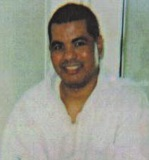
The state of Texas is scheduled to execute Gregory Van Alstyne, a black man, Feb. 18 for the robbery and murder of James Atkinson in Amarillo. Van Alstyne and his co-defendant, Ricky Allen, allegedly ordered a late dinner to be delivered from Pizza Hut on the night of April 17, 1990. When Atkinson, working as a delivery man, arrived, Van Alstyne allegedly stabbed and beat him to death. Police investigators quickly learned that he had been bragging about the murder, and arrested him shortly thereafter. Van Alstyne confessed to the crime, and his criminal past only further solidified his fate. The record showed that the Atkinson murder occurred just 7 days after the state paroled him for a 1989 robbery. In 2002, District Judge John Board asked him if there was any reason he should not impose a death sentence; Van Alstyne replied, "No." Although this case contains horrific details and a seemingly remorseless man, Van Alstyne's personal history is equally tragic. This man, whom the state of Texas is preparing to execute, was both run over by a truck and struck by lightning as a young child. He later suffered from severe mental problems, and the Texas Panhandle Mental Health Authority twice admitted him for treatment. Van Alstyne's defense counsel never requested psychiatric assistance for the penalty phase of the trial, nor did they mention his mental health history. In 1988, he admitted himself into a mental health center and told the personnel that he was "afraid of himself." The jury never heard learned this information, which would have served as critical mitigating evidence, during his trial. Although Van Alstyne confessed to playing a part in the Atkinson murder, questions concerning Ricky Allen's involvement still remain unanswered. Van Alstyne argued on appeal that the prosecution withheld evidence that would have further implicated Allen and contradicted his testimony (which the state used against Van Alstyne); this, he claimed, constituted a Brady violation. The courts thoroughly denied all his appeals, pointing to the overwhelming evidence against him in his initial trial. However, regardless of his accomplice's role in the murder, the ineffectiveness of his counsel, and the intricate details of his case, Van Alstyne's background speaks for itself. The state should commute this sentence based on mitigating evidence, namely his traumatic and tragic childhood.